
Dogs
Do Dogs Like Hugs? How to Read Your Dog’s Body Language
Do dogs like hugs? Learn how to tell whether your dog is comfortable with close contact, recognize signs they want space, and show affection in safer, dog-friendly ways.

Do dogs like hugs? Learn how to tell whether your dog is comfortable with close contact, recognize signs they want space, and show affection in safer, dog-friendly ways.

Treats can support training, enrichment and bonding, but they still count toward your dog’s daily calories. Learn the 10% rule, what belongs in the treat budget, and when your dog may need individual veterinary advice.
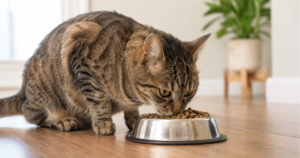
A cat that constantly asks for food may simply be following a learned routine, but a new increase in appetite can also be medically important. Learn what to watch for, including weight loss, increased thirst, vomiting, diarrhea, and other warning signs.

Changing your dog’s food too quickly can sometimes cause digestive upset. Learn how to introduce a new diet gradually, what to monitor, and when veterinary advice is needed.

Vet visits can be overwhelming for some dogs. Learn how preparation, positive handling, quieter waiting, rewards, and veterinary support can reduce fear and make appointments easier.
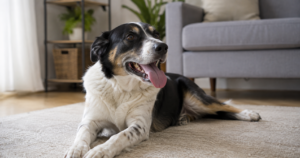
Dogs may pant after exercise, excitement, or stress even when the weather is cool. Learn when panting is normal, when pain or illness may be involved, and which breathing changes require urgent veterinary care.
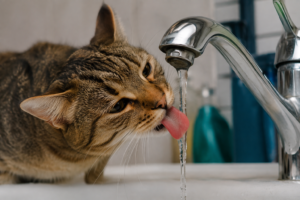
Some cats ignore their water bowl but immediately approach a running tap or fountain. Learn what may attract cats to moving water, whether fountains really improve hydration, and when increased thirst could signal a health problem.

A flicking tail can reflect focus, rising arousal, frustration or overstimulation. The speed, posture and rest of your cat’s body reveal the real context.

Grass eating is common in dogs and often harmless, but sudden or excessive grazing with vomiting, diarrhea, lethargy, or appetite loss deserves attention.

Breed can influence a dog’s risk of certain health conditions, but predisposition is not a diagnosis or a guarantee. This veterinary-informed guide explains how genetics, conformation, lifestyle, screening, and individual care fit together.
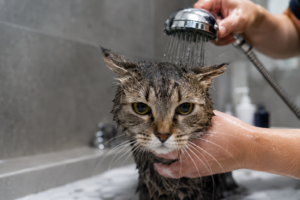
Most healthy cats rarely need baths. Learn when bathing is necessary, how to use cat-safe products, reduce stress, and recognize when veterinary advice is needed.
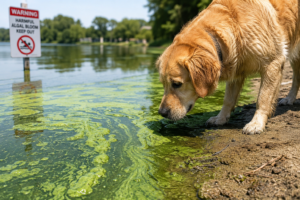
Blue-green algae can expose dogs to dangerous cyanotoxins through drinking, swimming, or licking contaminated fur. Learn the symptoms, immediate first-aid steps, and when emergency veterinary care is needed.

Discover six subtle behaviors that may show your cat feels safe, relaxed, and comfortable with you.

A cat exposing its belly may feel safe and relaxed—but that does not automatically mean it wants to be touched. Learn how to read the complete body language.

Why do dogs turn around before lying down? This common dog behavior is often linked to instinct, comfort, and preparing a resting spot.

Why does my cat sleep near my head? Learn why cats may choose this cozy sleeping spot and when changes in sleep behavior may need veterinary attention.

Why does your cat slow blink at you? Learn what this gentle behavior may mean, how to blink back, and when squinting could signal an eye problem.
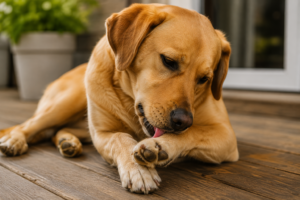
Why does my dog keep licking its paws? Occasional paw licking can be part of normal grooming, especially after a walk. However, frequent, intense, or

Cats are very good at hiding pain. This is one reason why many cat health problems can be easy to miss in the early stages.
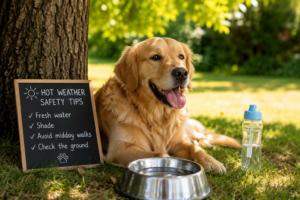
Hot weather can be dangerous for dogs. Learn the signs of overheating and simple ways to keep your dog cool, hydrated, and safe during summer.

Veterinary-informed explanation of why cats knead with their paws, what it usually means, when it may be linked to stress and when to contact a veterinarian.

Veterinary-informed guide to common dog stress signs, body language, when stress may suggest pain or illness and when to contact a veterinarian.
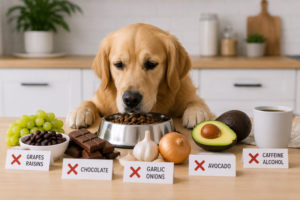
Some human foods can be dangerous or even toxic for dogs. Here are 10 foods dog owners should avoid, plus what to do if your dog eats something risky.